Rent vs Buy a Humanoid Robot: Which Is Right for You?
Renting a humanoid robot costs $500 to $5,000 per day in 2026, with no upfront investment; buying one costs roughly $16,000 to $200,000 outright. Renting wins for events, launches and pilots — buying (or a monthly lease) usually pays off once you pass roughly 40 rental-days of use.
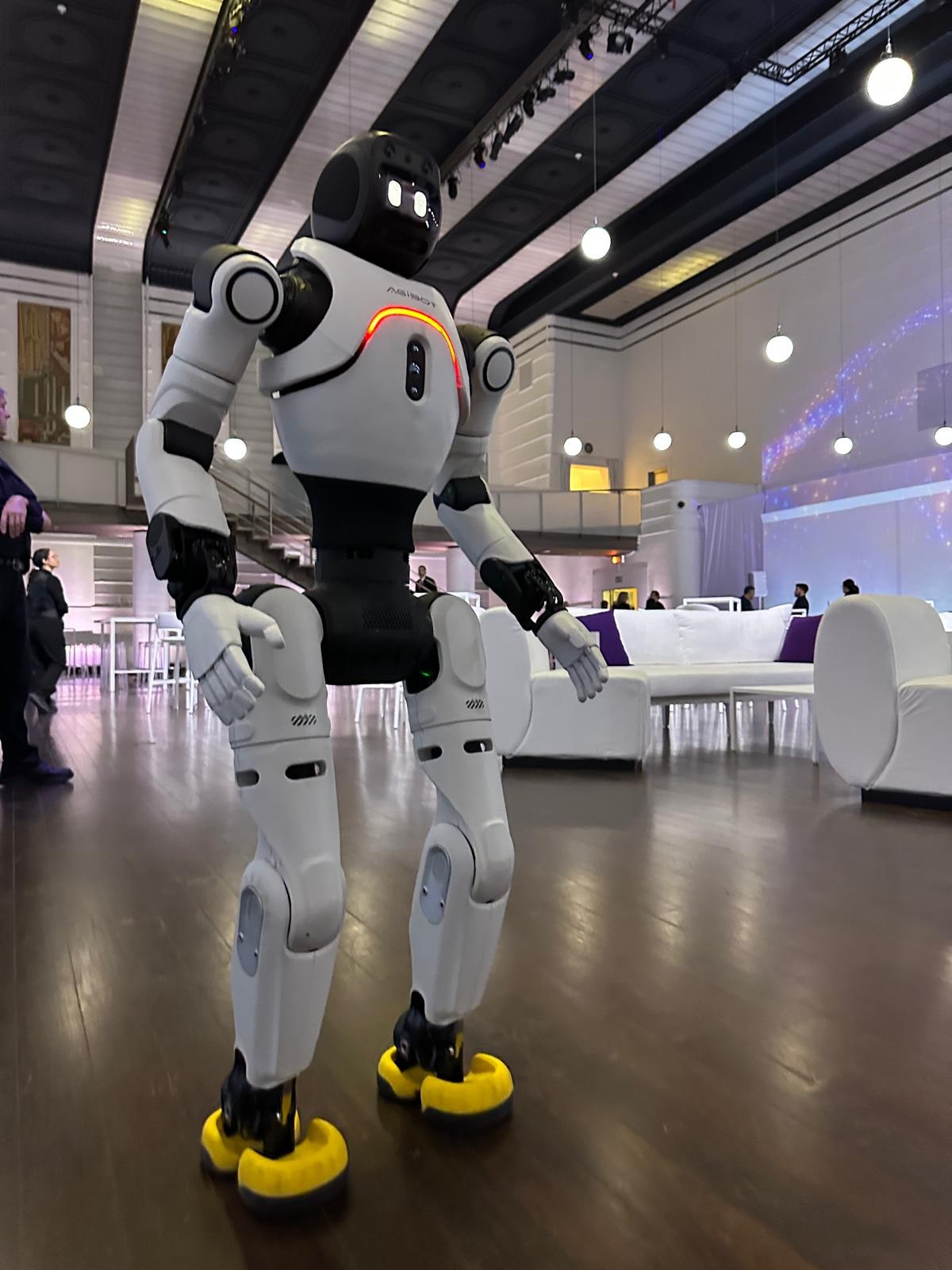
Humanoid robots span a wide range — from wheeled, chest-height greeters to full-size bipedal platforms — and that range drives a wide price spread on both the rent and buy side. This guide compares renting vs buying a humanoid robot specifically, with real 2026 pricing, so you can make the call with numbers instead of guesswork. For the general version of this decision across every robot type, see the rent vs buy a robot guide.
Renting a humanoid robot vs buying one
A neutral, factor-by-factor comparison. Neither path is universally "better" — each fits a different usage pattern.
| Factor | Renting a humanoid | Buying a humanoid |
|---|---|---|
| Upfront cost | None — pay per day or per event | Full purchase price paid at once (or financed) |
| Typical 2026 price | $500 – $5,000 / day (~$1,500 typical) | $16,000 – $200,000 outright |
| Best for | Events, launches, trade shows, one-off pilots | Reception, showrooms, R&D, frequent use |
| Maintenance & support | Handled by the rental company | Owner's responsibility (or a support contract) |
| Hardware currency | Always current — swap models between bookings | Fixed at purchase; upgrades cost extra |
| Operator & staffing | Usually included in the day rate | Staff must be trained in-house |
| Deployment speed | Days | Weeks (procurement, delivery, setup) |
| Cost per use once high-volume | Higher over time | Lower once utilization is high |
Prices reflect typical 2026 rates across the BuyAndRentRobots.com directory and vary by model — a wheeled greeter sits at the bottom of both ranges; a full-size bipedal platform sits at the top. See the full pricing guide for rates across every robot type.
How many rental days until buying a humanoid wins?
Divide a humanoid's purchase price by its day rate and you get its day-rate breakeven — roughly how many single-day rentals equal buying outright. Across the directory, humanoid robots break even around 40 days of equivalent rental use — faster than cleaning robots (~80 days) but slower than educational or drone robots (~35 days), reflecting the wide price spread between a wheeled greeter and a full-size bipedal platform. In continuous use, day rates typically drop 30–50% on multi-day and monthly contracts, so real-world breakeven for everyday use is longer than the day-rate figure — that's exactly when a monthly lease or purchase becomes the better deal. See the full rent vs buy breakeven table by robot type for every category.
Pros and cons of each path
Rent a humanoid
- No capital outlay — pay per day or per event.
- Operator, transport and setup are usually included.
- Always current hardware, with no maintenance to own.
- Deploys in days; ideal to test impact before committing.
- Custom branding and content for the specific activation.
Buy a humanoid
- Lower cost per use once utilization is high.
- Full control of scheduling, content and customization.
- An owned asset for reception, showrooms or development.
- Break-even typically lands around 40 rental-days of equivalent use.
- Requires budget for support, spare parts, software and staff training.
Which should you choose?
- One-off event, launch or trial? Rent. You get the impact without the capital cost or maintenance burden.
- Frequent but not daily use? A monthly lease often beats both a day rate and an outright purchase — ask matched companies about lease terms.
- Permanent reception, showroom or R&D use? Buying usually wins once you cross the ~40-day breakeven, or once you're using the robot for 12+ months continuously.
- Not sure yet? Rent first. It's the lowest-risk way to prove out the use case before committing capital.
Rent vs buy a humanoid robot — FAQ
Is it cheaper to rent or buy a humanoid robot?
Renting is cheaper for one-off events, launches and trials. Buying (or a monthly lease) wins once you'll use the humanoid for roughly 40 full days, or continuously for 12 or more months, at which point the total rental cost passes the purchase price.
How many days of rental does it take before buying a humanoid is cheaper?
Around 40 days on average across the directory — faster for a wheeled greeter near the bottom of the price range, slower for a full-size bipedal platform near the top. Divide the specific model's purchase price by its day rate to estimate its exact breakeven.
What are the benefits of renting a humanoid robot instead of buying?
No upfront capital, an included operator and transport in most cases, always-current hardware with no maintenance to own, and the flexibility to try a different model on your next booking.
When should a business buy a humanoid robot instead of renting?
Buy when the humanoid will be in frequent or permanent use — a lobby receptionist, a showroom fixture, or an R&D platform — where cost per use drops below renting once utilization passes the roughly 40-day breakeven.
Can I rent a humanoid robot first and then buy it later?
Many companies support this path — rent to validate the use case, then convert to a purchase or a monthly lease once you know the robot fits your operation. Ask prospective suppliers whether rental fees credit toward a later purchase.
Ready to rent or buy a humanoid robot?
Browse humanoid robot companies, or tell us your use case, budget and timeline and get matched with the ones that fit — free to search.
Related guides
Humanoid Robots Guide
Full pricing, use cases and industries for humanoid robots.
Explore humanoid robotsRent vs Buy a Robot
The general decision guide across every robot type.
Compare rent vs buyBest Humanoid Rental Companies
Humanoid robot rental companies ranked live by directory tier.
See the roundup