Medical Robots: Rent or Buy
Surgical systems, assistive and telepresence robots, and clinical disinfection units for healthcare. Compare 2026 pricing and the companies that supply hospitals and clinics.
How much does a medical robot cost? It is the widest-priced category. Assistive, telepresence and disinfection robots typically cost $50,000 to $150,000, while robot-assisted surgical systems run $150,000 to $500,000 before instruments, service and training. Short-term rental pricing for non-surgical units varies by model, operator and service level (see verified rental pricing on our data hub).
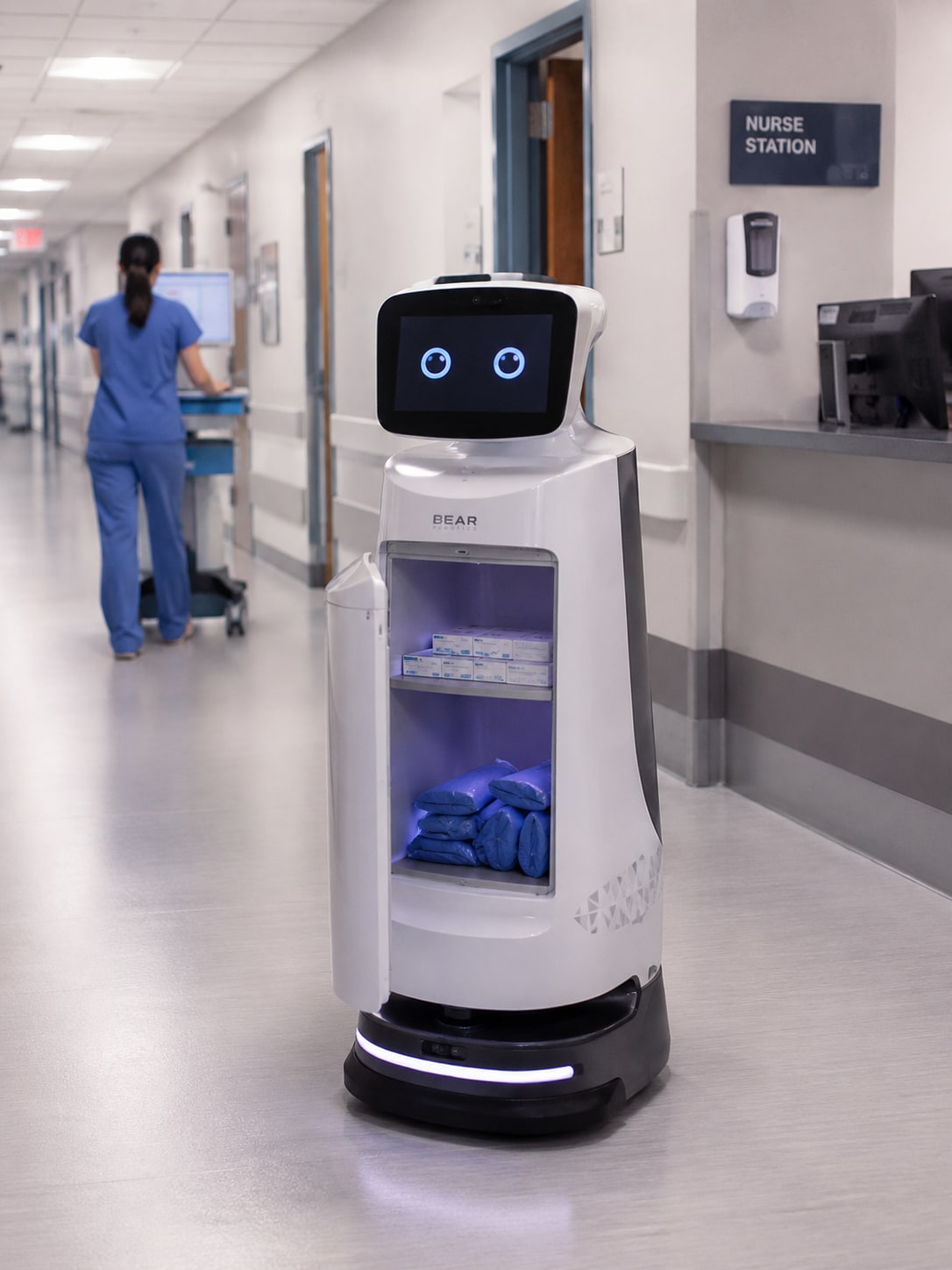
Medical robots are the most demanding and tightly regulated category in commercial robotics.
Read more
They span three distinct worlds: surgical systems that give a surgeon superhuman precision through tremor-free, wristed instruments; assistive and service robots that move supplies, medication and meals through hospitals or support rehabilitation; and clinical disinfection robots that sanitise operating theatres and wards with UV-C light. What unites them is the setting, a healthcare environment where accuracy, sterility, uptime and certification are non-negotiable, and where the buyer is a hospital procurement committee, not an event planner.
The economics are unlike any other type here. Surgical robots carry six- and seven-figure price tags and are often acquired through capital purchase, leasing or per-procedure models, with substantial recurring costs for instruments, service and training. Assistive and disinfection robots are far cheaper and increasingly bought outright to relieve overstretched staff. Because the stakes and the sums are so high, evaluation is long and evidence-led. This guide covers the medical segment, surgical and interventional systems, assistive and telepresence robots, and clinical disinfection units, with real 2026 pricing and the companies that supply them. It is informational only and not clinical or purchasing advice.
What are medical robots used for?
Medical robots are deployed where precision, sterility and staffing pressure meet. The most common roles are:
- Robot-assisted surgery. Wristed, tremor-free instruments under a surgeon’s control enable minimally invasive procedures with fine precision.
- Hospital logistics. Autonomous robots move medication, linens, meals and lab samples between departments, freeing clinical staff.
- Disinfection. UV-C robots sanitise operating theatres, isolation rooms and wards between uses to reduce infection risk.
- Rehabilitation & assistance. Exoskeletons and assistive robots support mobility, therapy and patient handling.
- Telepresence & remote care. Mobile telepresence robots let specialists round, consult and monitor patients from anywhere.
How much do medical robots cost?
Medical robots span assistive units to major surgical systems, so pricing is the widest and most contract-driven of any type. Typical 2026 ranges:
| Engagement | Typical 2026 range | What it usually includes |
|---|---|---|
| Daily rental | See verified rates · Request a quote | Per unit for assistive, disinfection or telepresence robots, with service. |
| Monthly lease / service | $8,000 to $30,000 / mo | Common for hospital fleets and disinfection programs, including support. |
| Purchase: assistive / disinfection | $50,000 to $150,000 | Hospital logistics, telepresence or UV-C disinfection robots. |
| Purchase: surgical system | $150,000 to $500,000 | A robot-assisted surgical platform, before instruments, service and training. |
Ranges reflect typical 2026 commercial pricing across the BuyAndRentRobots.com directory and vary by region, duration, configuration, staffing and support. Submit a free inquiry for exact quotes from matched companies.
Which businesses use medical robots?
Medical robots sell to healthcare providers under intense staffing and safety pressure:
- Hospitals & surgical centres, robot-assisted surgery plus logistics and disinfection fleets.
- Specialty & ambulatory clinics, targeted surgical or interventional systems.
- Rehabilitation & long-term care, exoskeletons and assistive and telepresence robots.
- Laboratories & pharmacies, automated sample and medication transport.
- Infection-control programs. UV-C disinfection of theatres, wards and isolation rooms.
- Research & teaching hospitals, surgical and assistive platforms for training and trials.
Rent vs buy medical robots
The rule of thumb: rent for moments and trials, buy for programs.
Rent a medical robot
- No capital outlay: pay per day or per month.
- Service, training and software typically included.
- Bring in disinfection or logistics units for a surge or pilot.
- Evaluate a platform before a major capital commitment.
- Vendor handles maintenance, updates and consumable supply.
Buy a medical robot
- Predictable cost per procedure at high case volumes.
- An owned platform integrated into clinical workflows.
- Control of scheduling, training and data.
- Long evaluation, but core to a durable service line.
- Budget for instruments, service contracts, training and certification.
Featured medical robot companies
Companies that rent and sell medical robots, look for the blue Verified Partner badge on confirmed partners. Tap through for profiles, catalogues and quotes.
Available medical robots
Specific medical robot models listed for rent or purchase right now.
Medical Robots: frequently asked questions
What is a medical robot?
A medical robot is a robot used in healthcare, a surgical system that gives a surgeon precise, tremor-free control, an assistive or logistics robot that moves supplies and supports patients, or a disinfection robot that sanitises clinical spaces. All operate under strict regulatory, sterility and safety requirements.
How much does a medical robot cost?
It is the widest-priced category. Assistive, telepresence and disinfection robots typically cost $50,000 to $150,000, while robot-assisted surgical systems run $150,000 to $500,000 before instruments, service and training. Short-term rental pricing for non-surgical units varies by model, operator and service level (see verified rental pricing on our data hub).
Can hospitals rent medical robots instead of buying?
Yes, particularly for assistive, disinfection and telepresence robots, which are commonly leased or offered as a monthly service. Surgical systems are more often acquired through capital purchase, leasing or per-procedure agreements given their cost and integration.
Do surgical robots operate on their own?
No. Robot-assisted surgical systems are controlled by a surgeon, who operates precise, wristed instruments from a console. The robot translates the surgeon’s movements, filtering tremor and enabling fine, minimally invasive control, it does not act autonomously.
What ongoing costs come with a medical robot?
Beyond the purchase price, expect recurring costs for instruments and consumables, service and maintenance contracts, software updates, staff training and certification. For surgical systems especially, these recurring costs are a major part of the total cost of ownership.
Find your medical robot
Compare medical robot companies, or tell us what you need and get matched with the ones that fit, free to search.