Robots for Retail
A shopper who can’t find the product and can’t find a colleague walks out. A robot greets them, points them to aisle nine, and scans the shelves overnight so it’s actually in stock. Compare 2026 pricing and the companies that supply retail robots.
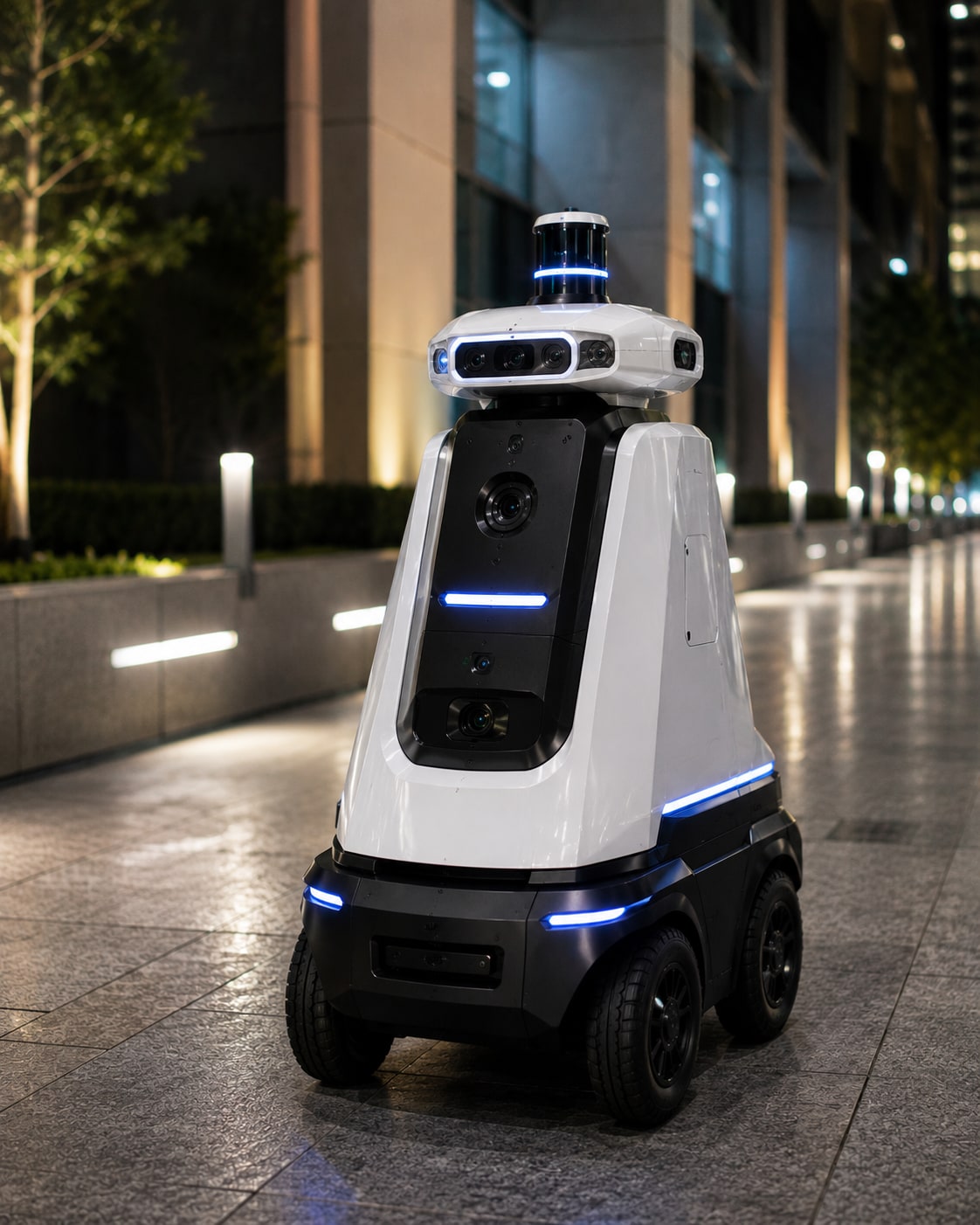
Modern retail loses sales in two quiet ways: the customer who can’t get help on a busy floor, and the product that’s missing from the shelf when they look. Robots address both.
Read more
A greeting-and-wayfinding robot meets shoppers at the door, answers the “where is…” questions that eat a colleague’s day, and walks people to the right aisle. Overnight, an inventory robot glides the aisles scanning every shelf, flagging gaps, mispriced tags and misplaced stock before the doors open. And after hours, a security robot patrols the floor and stockroom. The theme is coverage: eyes and answers in more places than a stretched store team can be.
What makes retail interesting is that the robot is simultaneously an operations tool and a marketing one. The same greeter that answers questions also draws footfall and gives the store a talking point; the same shelf-scanner that fixes availability quietly protects revenue that would otherwise leak away. Flagship stores and malls often rent a greeter for a season or a launch, while grocery and big-box chains buy inventory and cleaning robots to run every night. This guide covers why robots work in retail, which robot types fit which jobs, what they cost in 2026, real scenarios from flagship to stockroom, and the companies that supply them.
Why use robots for retail?
- Greet, answer & wayfind. A customer-service robot meets shoppers, answers the constant “where is…” questions in multiple languages and guides them to the aisle, so staff aren’t tied to directions.
- Shelf accuracy & availability. Inventory robots scan every shelf overnight, flagging out-of-stocks, pricing errors and misplaced products before opening, protecting sales that leak from empty shelves.
- Loss prevention & deterrence. A visible security robot patrols the floor and stockroom after hours, deterring theft and streaming alerts to a monitoring centre.
- Footfall & novelty. A greeter or interactive robot draws shoppers in and gives the store a reason to be filmed and shared, merchandising and marketing in one.
- Staff relief at peak. By absorbing directions, FAQs and scanning, robots free colleagues to sell and serve during the busiest hours.
Best robot types for retail
These are the robot categories that fit retail best. Open any guide for pricing, rent-vs-buy and the companies that supply it.
Humanoid Robots
Greeter and customer-service robots welcome shoppers, answer questions and guide them through the store, the face of the floor and a footfall draw in one.
Explore humanoid robotsService Robots
Wayfinding, assistance and inventory-scanning robots handle directions and shelf audits, keeping availability accurate and customers moving.
Explore service robotsSecurity Robots
Patrol robots cover the sales floor and stockroom after hours, deterring theft and monitoring the site for a remote operator.
Explore security robotsWhat it costs
Retail robots range from rented seasonal greeters to owned nightly inventory fleets. The ranges below come from the robot types that fit retail best:
| Engagement | Typical 2026 range | What it usually includes |
|---|---|---|
| Greeter / humanoid: daily | See verified rates · Request a quote | Customer-service or brand-ambassador robot with operator for a store event or season. |
| Service / wayfinding: daily | See verified rates · Request a quote | Wayfinding, assistance or inventory-scanning robot working the floor. |
| Security robot: monthly service | $3,000 to $9,000 / mo | Patrol robot as a monitored service covering the floor and stockroom after hours. |
| Purchase: service / inventory unit | $15,000 to $60,000 | An owned wayfinding or shelf-scanning robot for a permanent store deployment. |
Ranges reflect typical 2026 commercial pricing across the BuyAndRentRobots.com directory and vary by region, duration, configuration, staffing and support. Submit a free inquiry for exact quotes from matched companies.
Real scenarios
- Flagship store greeter. A humanoid welcomes shoppers, runs product demos and points them to the right department, a footfall draw and a customer-service desk in one.
- Mall wayfinding. An interactive robot in a shopping centre answers directions and store queries across languages, turning a busy concourse into guided journeys.
- Overnight shelf scanning. An inventory robot audits every aisle after close, flagging gaps and pricing errors so the morning team restocks the right shelves first.
- After-hours security patrol. A patrol robot covers the floor and stockroom overnight, deterring theft and streaming any anomaly to a monitoring centre.
Featured companies for retail
Companies that supply greeting, wayfinding, inventory and security robots for retail worldwide, look for the blue Verified Partner badge on confirmed partners. Tap through for profiles and quotes, tell them your format and goals, and they’ll spec the deployment.
Robots for retail: frequently asked questions
How much do retail robots cost?
It depends on the job in 2026. A greeter or humanoid is rented with an operator and a wayfinding or inventory robot by the day (see verified rental pricing on our data hub), and a security robot is often a monitored service at $3,000 to $9,000 a month. Buying a service or inventory unit is roughly $15,000 to $60,000.
Do retail robots actually increase sales?
Indirectly, in two ways: greeter and wayfinding robots keep shoppers in-store and served during peaks, and inventory robots protect sales by catching out-of-stocks and pricing errors before they cost a sale. The novelty also drives footfall and social reach.
Can inventory robots integrate with our stock system?
Often, yes. Shelf-scanning robots capture stock, pricing and planogram data and can feed it into common retail inventory and analytics systems, though the exact integration depends on the robot and your back-office platform.
How do shoppers react to a robot in-store?
Generally with curiosity and interest, a well-placed greeter draws people in and gets filmed. The key is deploying it where it genuinely helps, such as entrances and wayfinding, rather than blocking aisles.
What can a retail security robot do about theft?
It deters through visible patrol, monitors the floor and stockroom with cameras and sensors, and streams alerts to a monitoring centre, but it does not physically intervene. A human operator decides whether to escalate to staff or police.
Find robots for retail
Compare companies that supply robots for retail, or tell us what you need and get matched with the ones that fit, free to search.